Cellulose Insulation in North Ogden for Drafty, Costly Homes
Dense-pack blown cellulose that seals attics and walls tight
Cellulose Insulation in North Ogden is the fastest way to stop the cold drafts that roll off Ben Lomond and the heat that bakes your attic all July. We blow recycled cellulose into attics, walls, and rim joists, hitting R-49 in most North Ogden attics in a single visit. If your furnace runs nonstop and your upstairs bedrooms never quite warm up, this is the fix.
What Cellulose Insulation in North Ogden Actually Involves
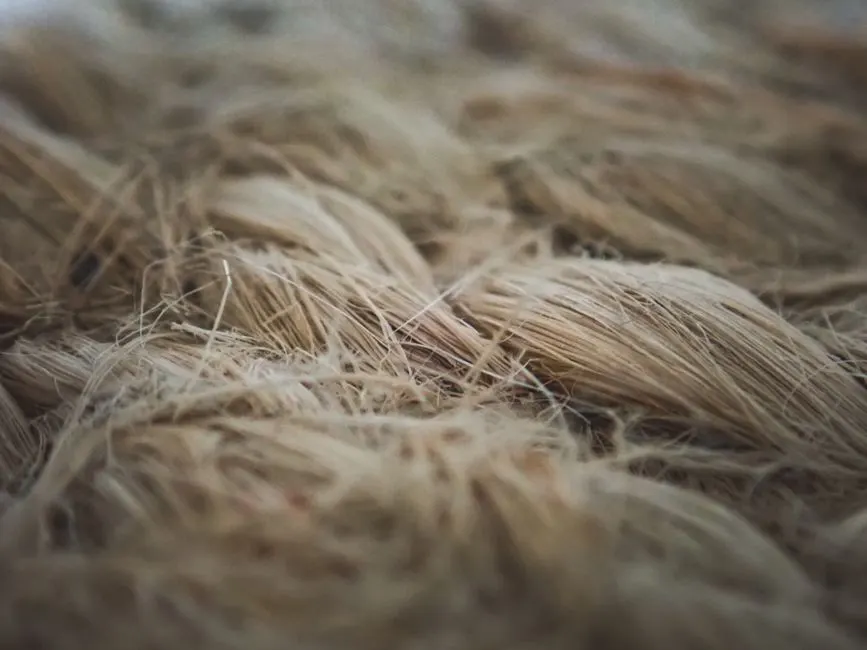
Cellulose Insulation in North Ogden is a blown-in product made from recycled newsprint treated with borate fire and pest retardants, installed with a mechanical insulation blower at a measured density of 3.5 to 4 pounds per cubic foot in walls and 1.5 to 2 pounds in open attics. That density matters: loose cellulose settles and loses R-value, while dense-pack holds its shape for decades. We seal air leaks first, then fill the cavity so the material reaches every corner, wire, and joist bay instead of piling up in one spot.
North Ogden sits at roughly 4,500 feet against the Ben Lomond bench, where January lows drop below 15 degrees and July afternoons push past 95. That swing punishes under-insulated homes. Most houses here built before 1990 carry R-11 to R-19 in the attic when the IECC calls for R-49. If your furnace cycles constantly or your second floor stays 6 degrees warmer than the main floor, you are paying for that gap every month. Blown cellulose insulation North Ogden homeowners choose closes it in a day.
Why North Ogden Homeowners Choose Blown Cellulose
Cellulose outperforms fiberglass batt in older homes because it flows around obstructions and fills the gaps batts leave behind. Here is what that means on your utility bill and in your comfort.
Cuts Heating Bills
Upgrading a 1,200 square foot North Ogden attic from R-11 to R-49 typically trims 15 to 25 percent off winter gas usage. On a $140 monthly bill that is $250 or more per heating season, and the material pays for itself in roughly three to four years.
Quieter Rooms
Dense-pack cellulose deadens sound better than fiberglass batt at the same R-value. Homeowners along North Shore and Mountain View report that traffic noise and furnace rumble drop noticeably once walls and ceilings are packed, which matters most in bedrooms over garages.
Fire and Pest Resistant
Borate-treated cellulose resists flame spread and discourages rodents, ants, and cockroaches from nesting in the cavity. That is a real advantage in Weber County, where field mice work their way into wall cavities every fall looking for warmth.
Tighter Air Sealing
We pair cellulose with a full air-sealing pass using caulk and foam on top plates, can lights, and plumbing penetrations. That combination stops the stack-effect drafts that make North Ogden homes feel cold even when the thermostat reads 70.
Our Cellulose Insulation Installation Process
Every job follows the same five steps, whether we are topping off an attic in the Historic District or dense-packing the walls of a 1970s ranch near Canyon View. Most homes finish in one day.
Attic Inspection
We climb into the attic with a thermal imaging camera and measure existing depth, R-value, and moisture. You get a written report showing exactly where heat is escaping, how much insulation you have, and what R-49 requires in your joist bays. This takes 45 to 60 minutes.
Air Sealing
Before any cellulose goes in, we seal top plates, wire penetrations, can lights, and the attic hatch with caulk and spray foam. Skipping this step is the single biggest reason insulation upgrades underperform. We spend one to two hours here on a typical North Ogden ranch.
Blower Setup
Our crew stages an insulation blower in the driveway, runs hose through a window or hatch, and sets up containment so dust stays out of your living space. We lay down drop cloths and wear respirators and protective clothing the whole time.
Dense-Pack Install
For open attics we blow to a settled depth of 14 to 16 inches to hit R-49. For walls we drill 2-inch plugs every 16 inches and dense-pack to 3.5 pounds per cubic foot, then plug and patch. A 1,500 square foot attic takes three to four hours.
Verification and Cleanup
We re-scan with the thermal camera, confirm depth with a measuring tape at multiple points, mark the hatch with the installed R-value and date, and haul away every bag. You walk the space with us before we pull out of the driveway.
Why North Ogden Trusts Our Cellulose Insulation Work
Plenty of crews will blow cellulose into your attic. Fewer will air-seal first, verify density, and stand behind the result. Here is what separates our work from a bargain install.
Air Sealing Included
Every cellulose job includes a full air-sealing pass at no extra charge. That single step is worth 10 to 20 percent of the performance gain, and most competitors skip it to keep bids low. We do not.
Density Verified On Site
We check installed density with a scale and measuring box rather than eyeballing it. Dense-pack below 3.5 pounds per cubic foot settles and underperforms, and we will not sign off on a wall that fails that number.
Local Climate Knowledge
We know how North Ogden's bench elevation and freeze-thaw cycles affect vapor barriers and attic ventilation. That is why our cellulose insulation North Ogden installs are spec'd for R-49 in attics and R-13 to R-15 in 2x4 walls, not the lower numbers that work in milder climates.
Clean, Same-Day Install
Most attics are done in a single day, and we leave the space cleaner than we found it. Drop cloths, containment, and full haul-away are standard. You get a walkthrough and a written R-value record before we leave.
What Our Cellulose Insulation Service Includes
Every cellulose install we do in North Ogden includes the prep work that makes the insulation actually perform. Here is what is standard on our jobs, and what we treat as an add-on when your home needs it.
What's Included
Full Attic Inspection
We measure existing depth and R-value, check for moisture and pest damage, and scan with a thermal imaging camera to map heat loss. You get a written report with photos and a recommended R-value target before we quote any work.
Air Sealing Pass
Top plates, wire penetrations, can lights, plumbing chases, and the attic hatch all get sealed with caulk and spray foam before cellulose goes in. This is included on every job because it is where a big share of the performance gain comes from.
Dense-Pack Wall Fill
For wall retrofits we drill 2-inch plugs every 16 inches, dense-pack cellulose to 3.5 pounds per cubic foot, then plug and patch. We verify density on site with a scale and measuring box rather than guessing from bag count.
Attic Blow to R-49
We blow cellulose to a settled depth of 14 to 16 inches across the attic floor, working around joists, wiring, and ductwork so coverage is even. The hatch gets marked with the installed R-value, depth, and install date.
Cleanup and Walkthrough
Drop cloths, containment, and full haul-away of bags and debris are standard. Before we leave, you walk the space with us, we re-scan with the thermal camera, and you get the written R-value record for your files.
Problems Cellulose Insulation Solves in North Ogden
Most North Ogden homes we inspect have at least one of these issues. Each one costs you money every month until it is fixed, and each one is something cellulose handles well.
Attic insulation settled to R-11 or less
Settled insulation loses 20 to 30 percent of its rated R-value, so your furnace runs longer and your upstairs stays cold no matter what the thermostat says.
We remove the settled material where needed, air-seal the attic floor, and blow fresh cellulose to a settled R-49. That brings the assembly back to code and stops the heat loss that was driving your bill.
Drafty rooms from unsealed top plates
Open top plates and wire penetrations let cold air pour into wall cavities, which makes rooms feel drafty even when the insulation itself is adequate.
Our air-sealing pass closes every top plate, penetration, and can light with caulk and spray foam before cellulose goes in. That combination stops the stack-effect drafts that make North Ogden homes feel cold.
Fiberglass batts with gaps and compression
Batts installed around wiring and framing leave voids where air moves freely, and compressed batts lose R-value fast. The result is a wall that looks insulated but performs poorly.
We dense-pack cellulose into the cavity, which flows around obstructions and fills the voids batts leave behind. Dense-pack holds its density for decades instead of sagging like batt.
Rodents and pests nesting in old insulation
Mice and insects tunnel through fiberglass and loose fill, compressing it and leaving droppings behind. That damages R-value and creates a health concern in the living space below.
We remove contaminated material, seal entry points, and install borate-treated cellulose that resists pests. Borate also resists flame spread, which adds a safety layer fiberglass does not have.
When North Ogden Homeowners Call Us for Cellulose
A 1970s ranch near Canyon View with original R-11 attic insulation and a furnace that runs nonstop in January.
We inspect the attic, air-seal the top plates and penetrations, and blow cellulose to R-49. The job takes one day and we verify depth at multiple points before marking the hatch.
Most homeowners see a 15 to 25 percent drop in winter gas usage, and the upstairs bedrooms hold temperature instead of running 6 degrees cold.
A Historic District home with plaster walls and no wall insulation at all, where every room feels drafty.
We drill small plugs through the plaster, dense-pack cellulose to 3.5 pounds per cubic foot, and patch the holes so the walls look untouched. We air-seal the attic floor at the same time.
The house feels noticeably warmer and quieter, and the furnace stops short-cycling because the walls are no longer bleeding heat.
A newer North Shore build where the builder installed thin attic insulation and the second floor overheats in July.
We top off the attic to R-49 with cellulose and add air sealing around can lights and the attic hatch. We also check ventilation to make sure the attic can shed heat properly.
Upstairs rooms run 4 to 6 degrees cooler in summer, and the air conditioner cycles less during the hottest part of the afternoon.
A home office over a garage in Mountain View that is unusable in winter because the floor and walls are cold.
We insulate the floor assembly over the garage with cellulose and foam board, then dense-pack the shared walls. The assembly gets a continuous thermal break instead of a partial one.
The room becomes usable year-round, and the homeowner stops running a space heater to keep it above 60 degrees.
Tools and Methods We Use for Cellulose
Tools & Equipment
Insulation Blower
A calibrated mechanical blower that fluffs and moves cellulose at a controlled rate. We adjust the feed and air settings to hit dense-pack density in walls and lighter coverage in open attics.
Thermal Imaging Camera
Used before and after the install to map heat loss through the attic floor, walls, and rim joists. It shows us exactly where air sealing is needed and confirms the improvement when we finish.
Respirator and Protective Clothing
Cellulose installs generate dust, so our crew wears respirators, coveralls, and eye protection the entire time. We also set up containment so dust stays out of your living space.
Measuring Tape and Density Box
We check installed depth at multiple points and weigh a measured volume of cellulose to confirm dense-pack density. That is how we verify the wall actually hit 3.5 pounds per cubic foot.
Caulking Gun and Spray Foam
Used during the air-sealing pass on top plates, wire penetrations, can lights, and plumbing chases. We use Great Stuff and Dow sealants rated for the temperature swings we see in Weber County.
Utility Knife and Stapler
For cutting and securing vapor barrier, house wrap, and insulation tape where the assembly calls for it. Clean edges matter for the air barrier to actually work.
Foam Board Saw
Cuts rigid foam board cleanly for rim joists, basement walls, and garage-door assemblies. Precise cuts mean fewer gaps for air to move through.
Methods
Dense-Pack Wall Installation
We drill 2-inch plugs every 16 inches, insert the hose, and pack cellulose to 3.5 pounds per cubic foot. This method fills voids around wiring and framing that batts miss, and the density keeps the material from settling over time.
Blown Attic Installation to R-49
For open attics we blow cellulose to a settled depth of 14 to 16 inches, working around joists and ductwork for even coverage. We mark the hatch with the installed R-value and date so future inspections are straightforward.
Air Sealing Before Insulation
We seal top plates, penetrations, and can lights with caulk and spray foam before any cellulose goes in. This follows BPI building-shell practice and is where a large share of the performance gain comes from.
RESNET Grading Standards
Our installs are graded against RESNET standards for coverage and density. That means we document what we installed, where, and at what R-value, rather than leaving you with a vague verbal promise.
Insulation Contractors Association of America Guidance
We follow ICAA installation guidance on blower settings, density targets, and coverage for cellulose. It is the industry baseline for a job that performs the way it was specified.
How Cellulose Insulation Works in North Ogden
Service Areas
Older homes with plaster walls and shallow attic joists. We drill small plugs and dense-pack to avoid disturbing the plaster, then blow the attic to R-49.
Historic homes often have no wall insulation and unsealed top plates. Air sealing matters as much as the cellulose here, so we do both in the same visit.
Many homes here have bonus rooms over garages that stay cold. We insulate the floor assembly and shared walls to make those rooms usable year-round.
Newer builds sometimes have thin attic insulation from the builder. A simple top-off to R-49 with air sealing usually fixes the summer heat gain upstairs.
Ranch homes from the 1970s with original R-11 attic insulation. These are our most common cellulose retrofits and show the fastest payback on utility bills.
Local Considerations
Bench elevation around 4,500 feet
Colder winters and bigger temperature swings than the valley floor, which means R-49 in the attic is the practical minimum and air sealing matters more than in milder climates.
Freeze-thaw cycles from October to April
Moisture moves in and out of wall assemblies repeatedly. We check vapor barriers and attic ventilation so cellulose does not trap moisture against cold surfaces.
Older housing stock with R-11 attics
Most pre-1990 homes here are significantly under-insulated. A cellulose top-off to R-49 is usually the highest-return upgrade a homeowner can make.
Summer attic temperatures above 130 degrees
Radiant heat drives attic temps well past outdoor air. We pair cellulose with proper ventilation and, where needed, a radiant barrier to keep the attic from baking the rooms below.
1958 Ranch Attic in Downtown North Ogden
The attic held about four inches of settled cellulose, roughly R-11, with open top plates and unsealed can lights. The furnace ran almost continuously in January and the upstairs bedrooms stayed 5 degrees colder than the main floor.
We air-sealed the attic floor and blew cellulose to a settled R-49. The next January gas bill came in $61 lower than the same month the prior year, and the upstairs bedrooms now hold temperature within 2 degrees of the main floor.
Maintenance & Follow-up
Check attic depth every three to four years and top off if it drops below 14 inches. Keep the hatch marked and sealed, and do not store boxes on top of the insulation, which compresses it.
Plaster walls with no insulation at all, and every room felt drafty even with the thermostat at 70. The homeowner was running space heaters in two bedrooms to stay comfortable through winter.
We drilled small plugs through the plaster, dense-packed cellulose to 3.5 pounds per cubic foot, and patched the holes so the walls looked untouched. The space heaters are gone, and the house is noticeably quieter from the street noise outside.
Maintenance & Follow-up
Watch for any new cracks in the plaster around the patched plugs and touch them up as needed. Keep indoor humidity between 30 and 50 percent so the cellulose stays at its rated performance.
The bonus room over the garage was unusable in both winter and summer. The floor assembly had no insulation, and the shared wall had compressed fiberglass batts with gaps around every outlet.
We insulated the floor over the garage with cellulose and foam board for a continuous thermal break, then dense-packed the shared walls. The room now stays within 4 degrees of the rest of the house year-round and no longer needs a space heater.
Maintenance & Follow-up
Keep the garage door closed when the room is in use, and check the wall outlets every couple of years for any gaps that open up. Re-seal as needed to protect the air barrier.
How much does cellulose insulation cost in North Ogden UT?
Most North Ogden attic projects run $1,800 to $3,400 in 2026, and dense-packed walls add $2.00 to $3.50 per square foot. A simple attic top-off on a smaller ranch can land near $1,400. Cost depends on square footage, existing R-value, how much air sealing is needed, and whether we are drilling walls. We give you a written number after the attic inspection, not a phone guess.
Is cellulose insulation good for North Ogden homes?
Yes, and it is one of the best fits for this climate. North Ogden's cold winters and hot summers reward high R-value, and cellulose hits R-49 in an attic at a lower cost than spray foam. It also flows around wiring and framing better than fiberglass batt, which is exactly what older Weber County homes need. The borate treatment handles the pests and humidity swings we see here.
Can I install cellulose insulation myself in North Ogden?
You can rent a blower and buy bags, but dense-pack wall work is where DIY goes wrong. Hitting 3.5 pounds per cubic foot by hand is nearly impossible without a calibrated blower and a density box, and under-packed walls settle and lose R-value within a few seasons. Attic top-offs are more forgiving, but you still need proper air sealing first or the cellulose will not perform.
Who installs blown cellulose insulation near me in North Ogden?
Warmwell Exchange installs blown cellulose across North Ogden, Pleasant View, Fruit Heights, and the rest of Weber County. We have been at it since 2022 and handle attic, wall, and rim-joist work. Call (855) 927-7517 and we will schedule an attic inspection, usually within a few days, and give you a written scope with R-value targets before any work begins.
Licensed, Trained, and Locally Accountable
Certifications
Reviews
Warmwell Exchange insulated our attic with cellulose and the difference was obvious the first cold snap. They air-sealed everything, marked the hatch with the R-value, and cleaned up so well you could not tell they had been in the house. Fair price and no pressure.
We had wet insulation after a pipe leak and they came out fast, removed the damaged material, and reinstalled cellulose the same week. They also found air leaks we did not know about and sealed them. Honest work from a local crew.
Dense-packed cellulose in our walls and the house is quieter and warmer. They verified the density before they left and gave us a written record. Scheduling was easy and they showed up when they said they would.
Our bonus room over the garage was unusable in winter. They insulated the floor and walls with cellulose and foam board, and now it stays comfortable year-round. Straightforward pricing and a clean install.
Other Insulation Services We Offer
Spray Foam Insulation
Spray foam seals rim joists and crawl spaces where cellulose cannot reach. We often pair the two: foam for the air barrier, cellulose for the deep R-value in the attic. Together they outperform either product alone in North Ogden's climate.
Spray Foam InsulationAttic Insulation
Attic insulation is where cellulose delivers the fastest payback. We blow to R-49 across North Ogden attics, seal the top plates first, and mark the hatch with the installed depth and date so future inspections are simple.
Attic InsulationGarage Door Insulation
An uninsulated garage door can drop the temperature of an attached room by 10 degrees. We add foam board and reflective foil to garage doors, which pairs well with cellulose in the walls between the garage and living space.
Garage Door InsulationFiberglass Insulation
Fiberglass batt still makes sense in new open framing where it can be installed without compression. We use it in select spots and switch to cellulose wherever gaps, wiring, or irregular cavities would leave batts underperforming.
Fiberglass InsulationFoam Board Insulation
Foam board stops thermal bridging through studs and foundation walls, which cellulose alone cannot do. We install it on basement walls and exterior sheathing to break the bridge before cellulose goes into the cavity.
Foam Board InsulationInsulation Installers Near Me
If you are searching for insulation installers near me in North Ogden, our crew covers the whole Weber County bench. We handle attics, walls, crawl spaces, and rim joists, and we carry the blowers and thermal cameras to verify the work.
Insulation Installers Near Me24/7 Insulation Installation
When a pipe bursts and soaks your attic insulation, waiting until Monday is not an option. We take after-hours calls for urgent insulation work around North Ogden and can often be on site the same day to remove wet material and stop the damage.
24/7 Insulation InstallationEmergency Insulation Repair
Rodents, roof leaks, and burst pipes all wreck insulation fast. We remove contaminated or soaked cellulose, treat the cavity, and reinstall to the correct R-value so your home is not bleeding heat while you wait on repairs.
Emergency Insulation RepairBasement Insulation
Basements in North Ogden stay cold because concrete walls wick heat straight out. We combine foam board against the concrete with cellulose in framed cavities to keep the floor above warmer and cut the chill in finished lower levels.
Basement InsulationHome Insulation
Whole-home insulation is a system, not a single product. We assess attic, walls, floors, and crawl space together, then spec cellulose, foam, and board where each performs best for your North Ogden house.
Home InsulationRockwool Insulation
Rockwool mineral wool is the better choice in spots that see moisture or high heat, like around chimneys and in some crawl spaces. We use it alongside cellulose when the cavity demands moisture tolerance that cellulose cannot provide.
Rockwool InsulationWindow Insulation
Windows are the weakest point in any wall assembly. We seal frames and add insulation film or foam where gaps exist, which stops the drafts that make your cellulose-filled walls feel like they are not working.
Window InsulationCeiling Insulation
Ceilings under cold attics lose heat fast. We dense-pack or blow cellulose above the drywall to stop that loss, which is often the single highest-return upgrade in a North Ogden home with a vented attic.
Ceiling InsulationMetal Building Insulation
Metal shops and barns around North Ogden sweat and drip without a proper thermal break. We install foil and cellulose systems that control condensation and keep the space usable through winter without massive heating costs.
Metal Building InsulationRoof Insulation
Roof insulation works with attic insulation, not instead of it. We insulate the roof deck in specific assemblies and pair it with cellulose on the attic floor where that is the right design for your home.
Roof InsulationSoundproof Insulation
Dense-pack cellulose is one of the best sound deadeners per dollar. We pack walls and ceilings in home offices, bedrooms, and media rooms around North Ogden to cut traffic noise and furnace rumble.
Soundproof InsulationDouble Bubble Insulation
Double bubble reflective foil works in attics and metal buildings where radiant heat is the main problem. We use it as a radiant barrier layer above cellulose in spaces that bake under the summer sun.
Double Bubble InsulationPole Barn Insulation
Pole barns need insulation that handles open framing and temperature swings. We combine foil and cellulose to keep shops and storage buildings in the North Ogden area usable year-round without running a heater constantly.
Pole Barn InsulationFoil Insulation
Foil insulation reflects radiant heat rather than slowing conduction. We install it in attics and metal buildings where summer heat gain is the bigger issue, often as a layer above cellulose.
Foil InsulationInsulation Near Me
Searching for insulation near me in North Ogden usually means you want someone local who can get there fast. We are based in the area and cover the whole Weber County bench, from Downtown North Ogden out to Pleasant View.
Insulation Near MeBlown In Insulation
Blown-in insulation covers cellulose, fiberglass, and rockwool loose-fill. We spec cellulose for most North Ogden attics and walls because it seals better and costs less than the alternatives at the same R-value.
Blown In InsulationSpray Foam Insulation Near Me
When you need spray foam near me in North Ogden, we can pair it with cellulose for a hybrid assembly. Foam handles the air barrier and rim joists, cellulose handles the deep R-value in the attic.
Spray Foam Insulation Near MeCrawl Space Insulation
Crawl spaces pull cold air into the floor above. We insulate crawl space walls and rim joists with foam board and cellulose so your first floor stays warmer and your pipes are less likely to freeze in January.
Crawl Space InsulationWall Insulation
Walls are where most North Ogden homes lose the most heat after the attic. We dense-pack cellulose into existing 2x4 and 2x6 cavities through drilled plugs, then patch and paint so you barely notice we were there.
Wall InsulationInsulation Removal
Wet, moldy, or pest-infested insulation has to come out before new material goes in. We remove old cellulose or fiberglass, treat the cavity, and haul everything away before reinstalling to the correct R-value.
Insulation RemovalFloor Insulation
Floors over crawl spaces and garages are a common cold spot in North Ogden homes. We insulate those assemblies with cellulose and foam board to stop the draft that makes bare floors feel like ice in winter.
Floor InsulationGet Your Cellulose Insulation in North Ogden Quote
One attic inspection tells you exactly how much heat you are losing and what it costs to fix. We have been installing cellulose in Weber County since 2022, and we stand behind every dense-pack job. Call today and we will get you on the schedule.